Financial Department Inventory Management
Project Overview
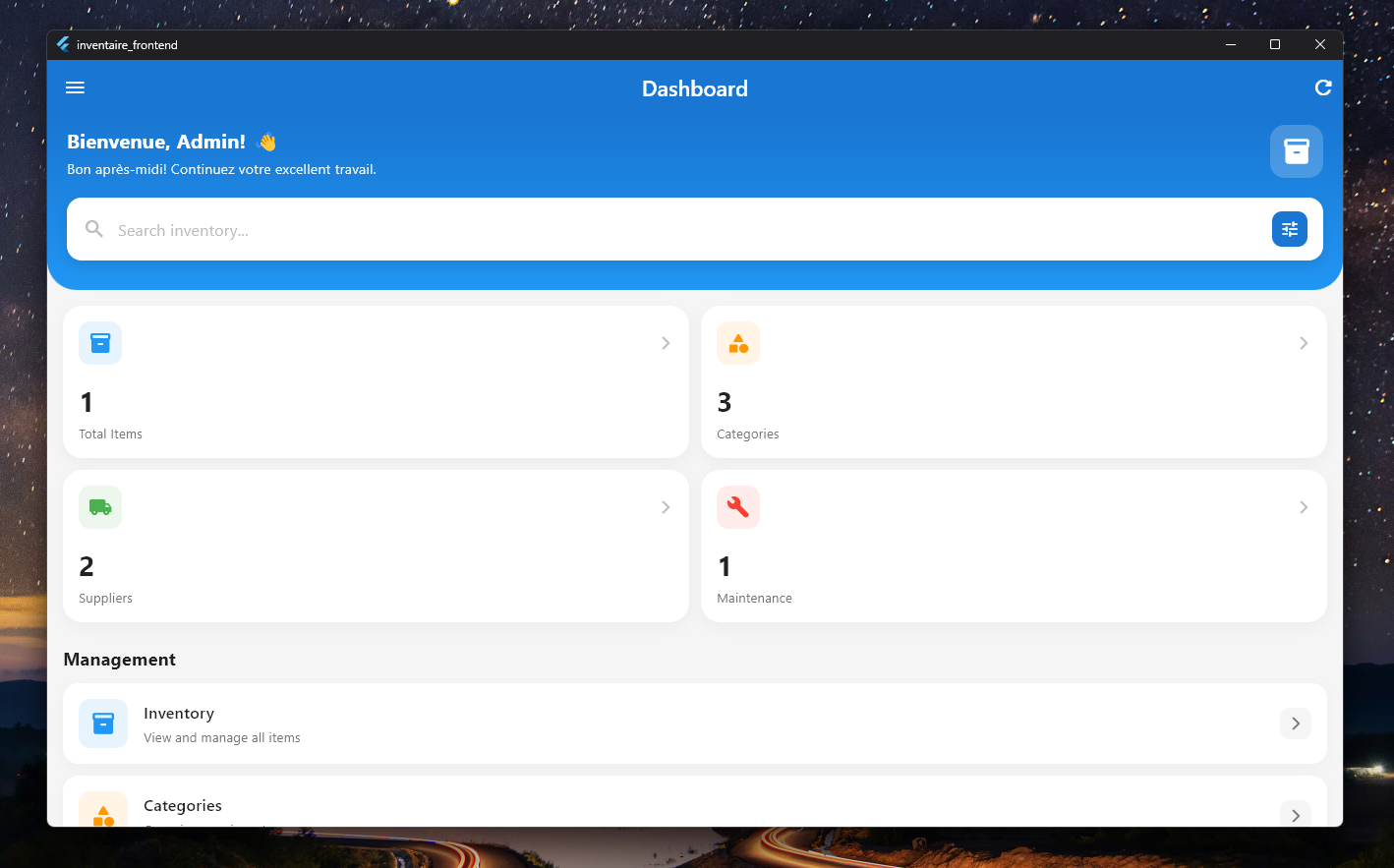
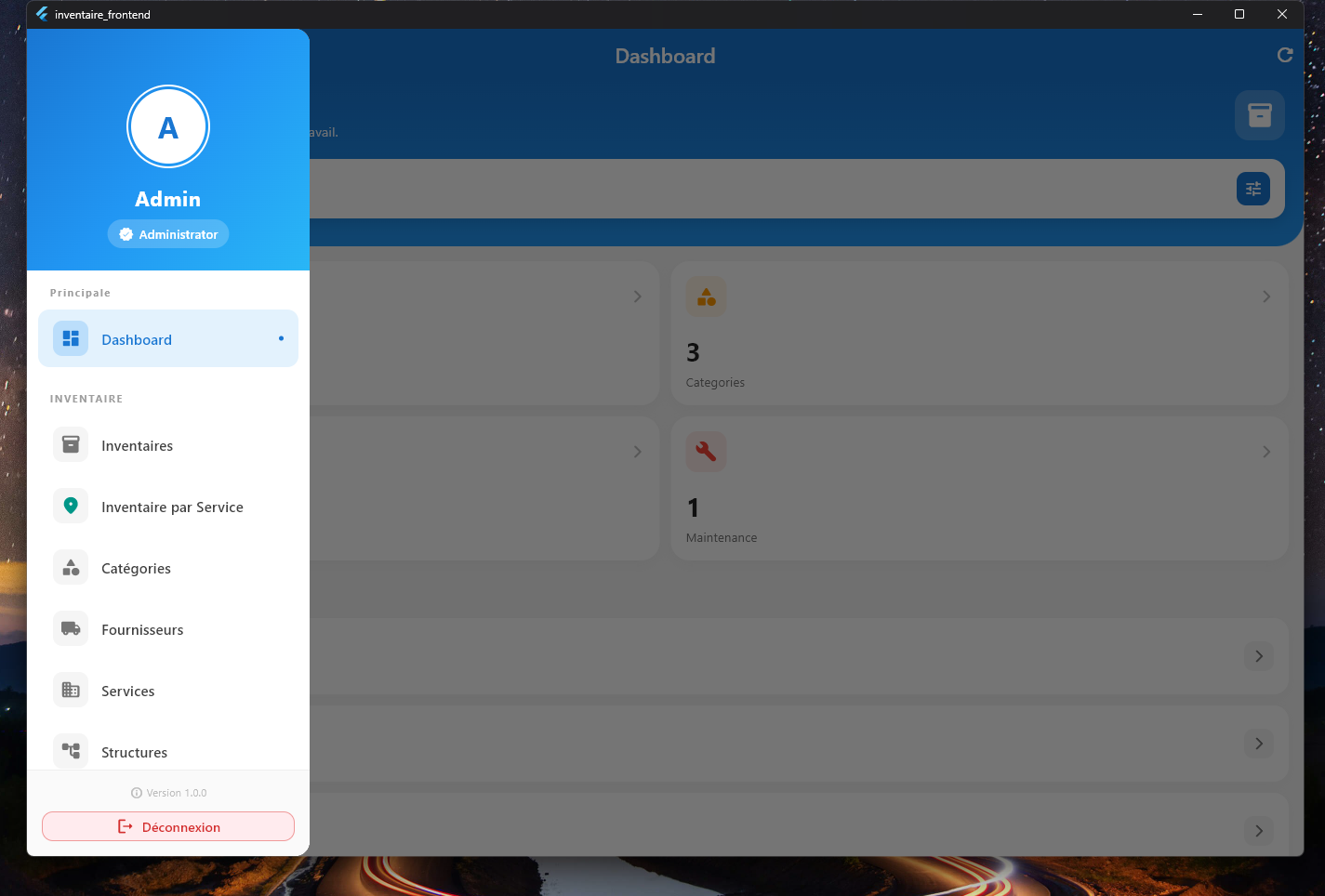
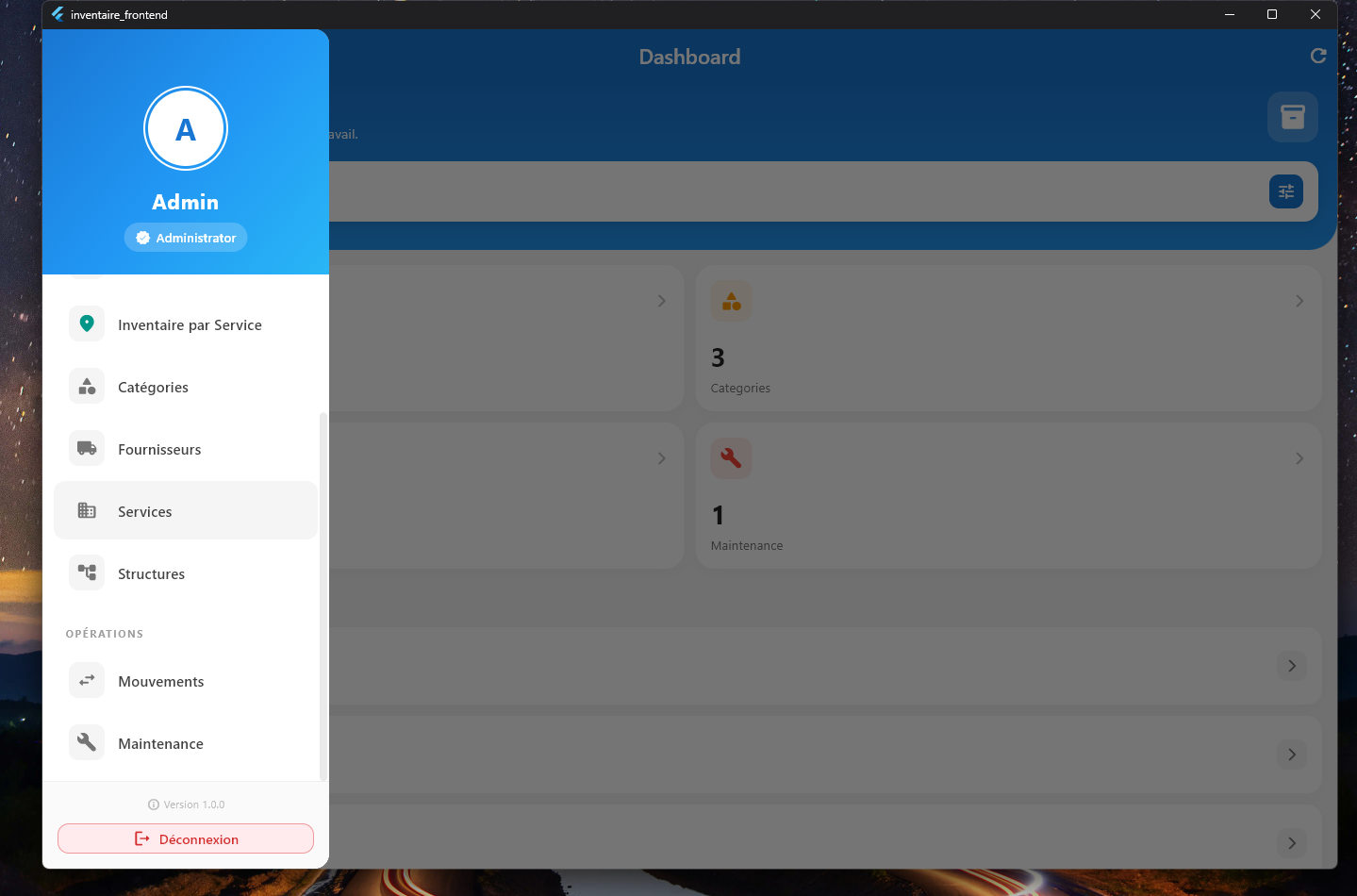
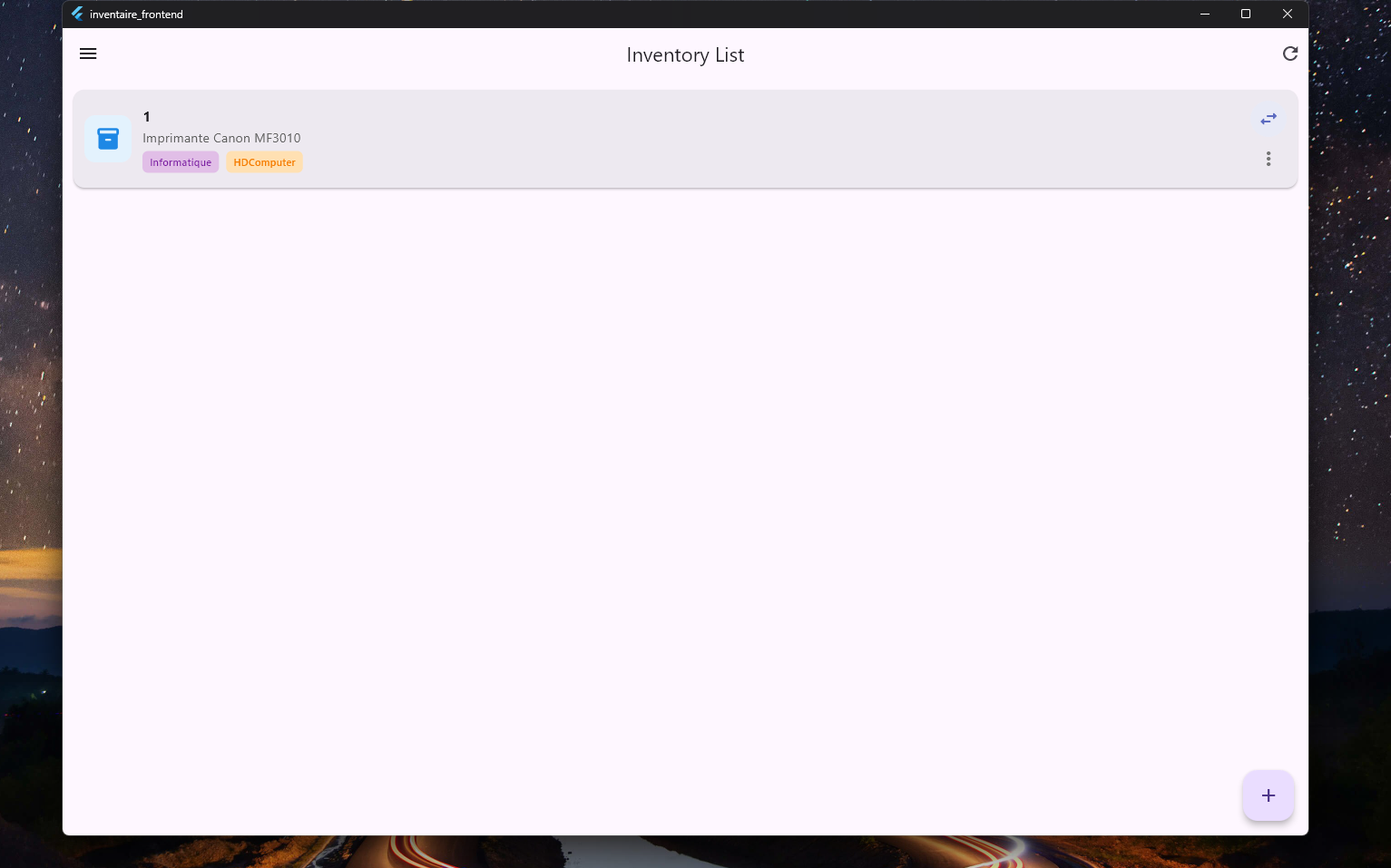
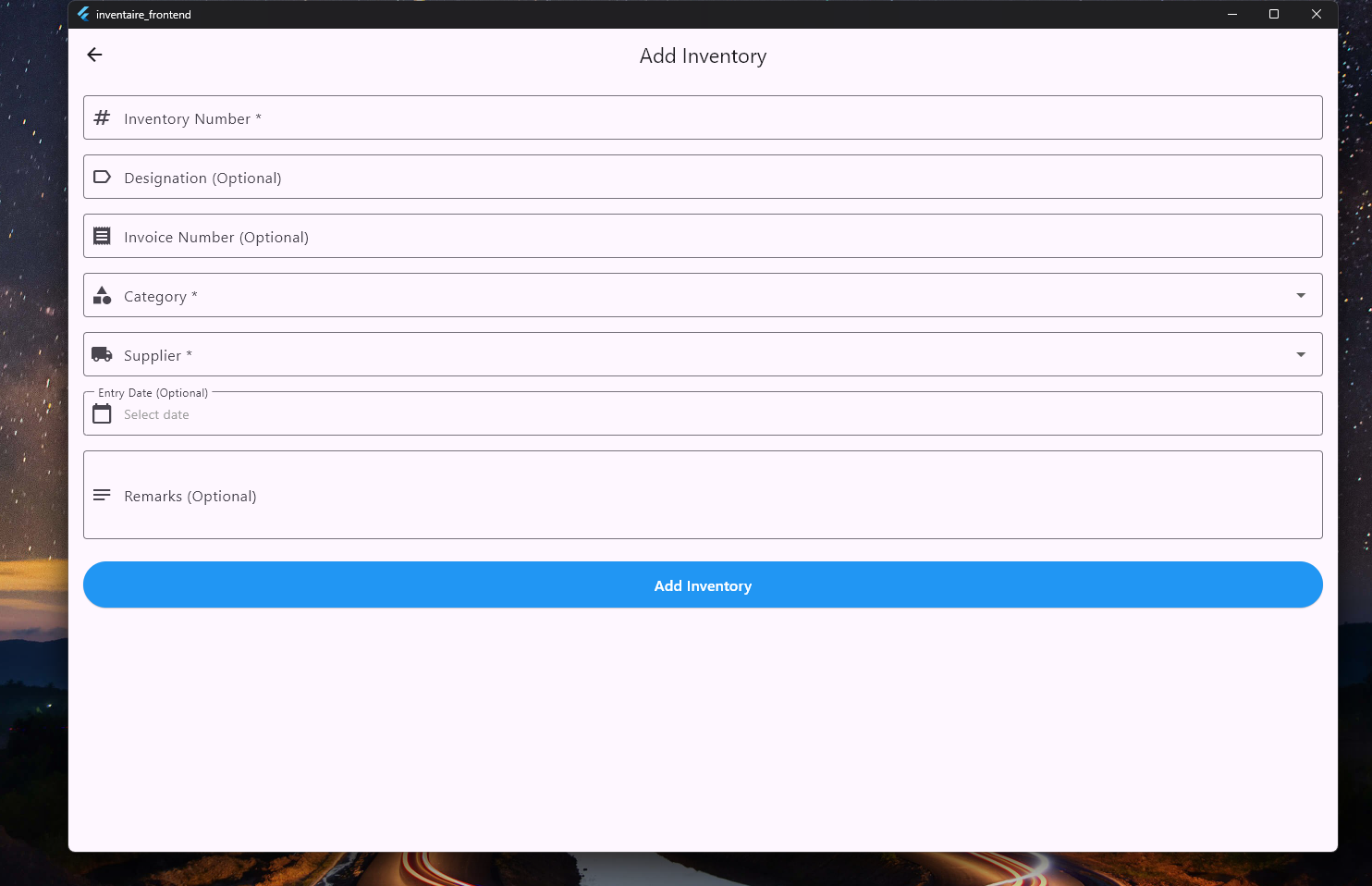
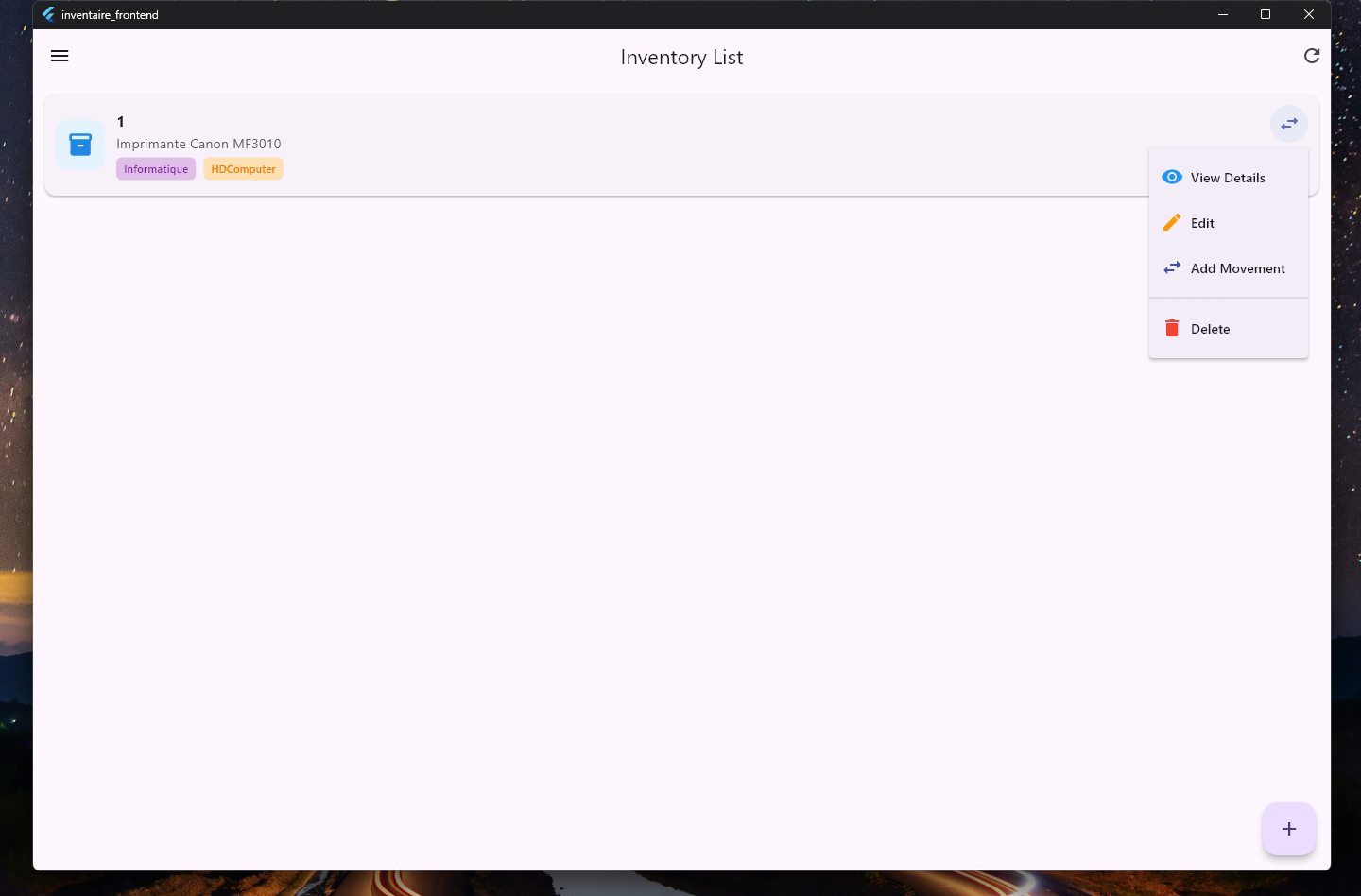
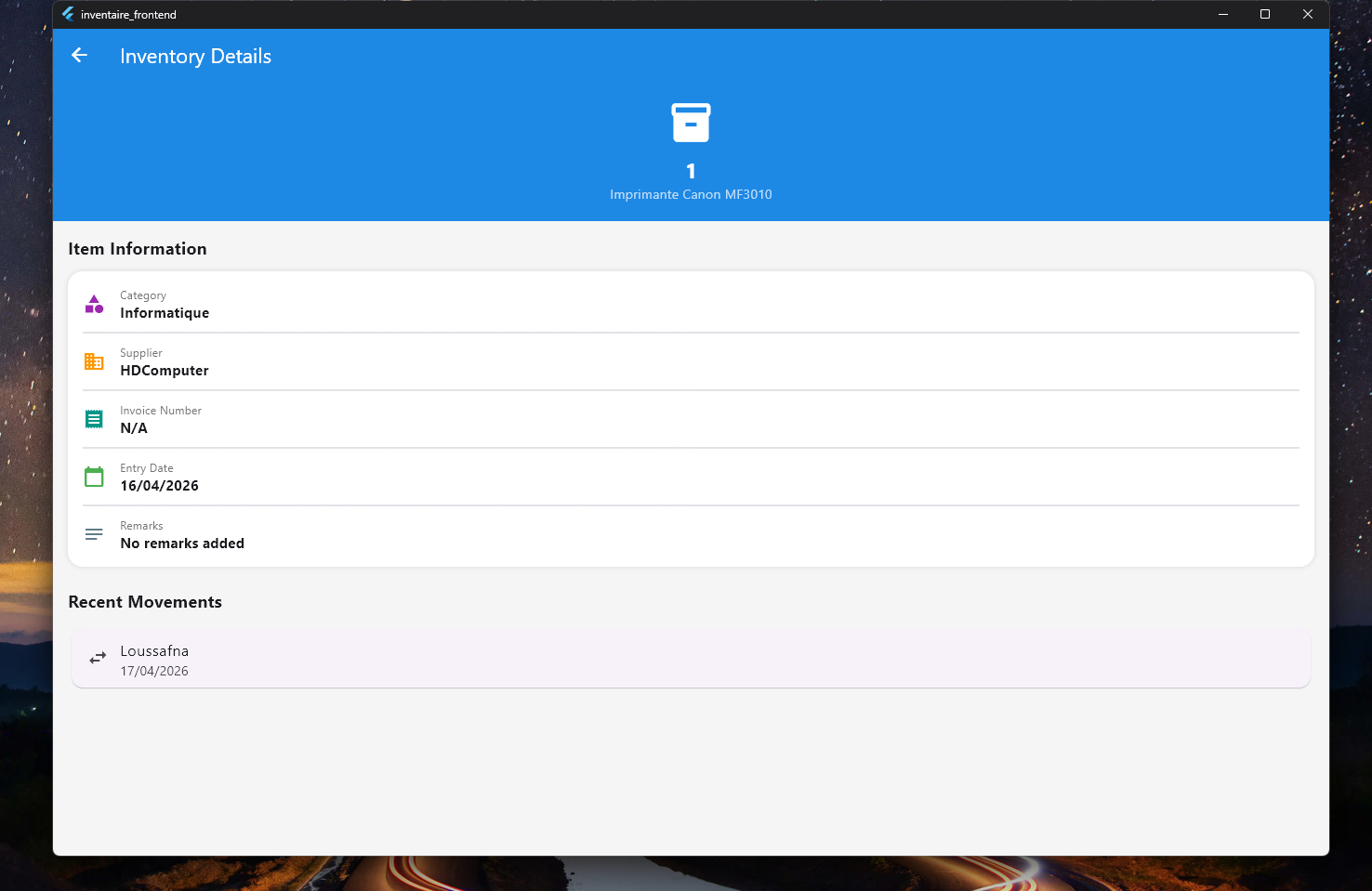
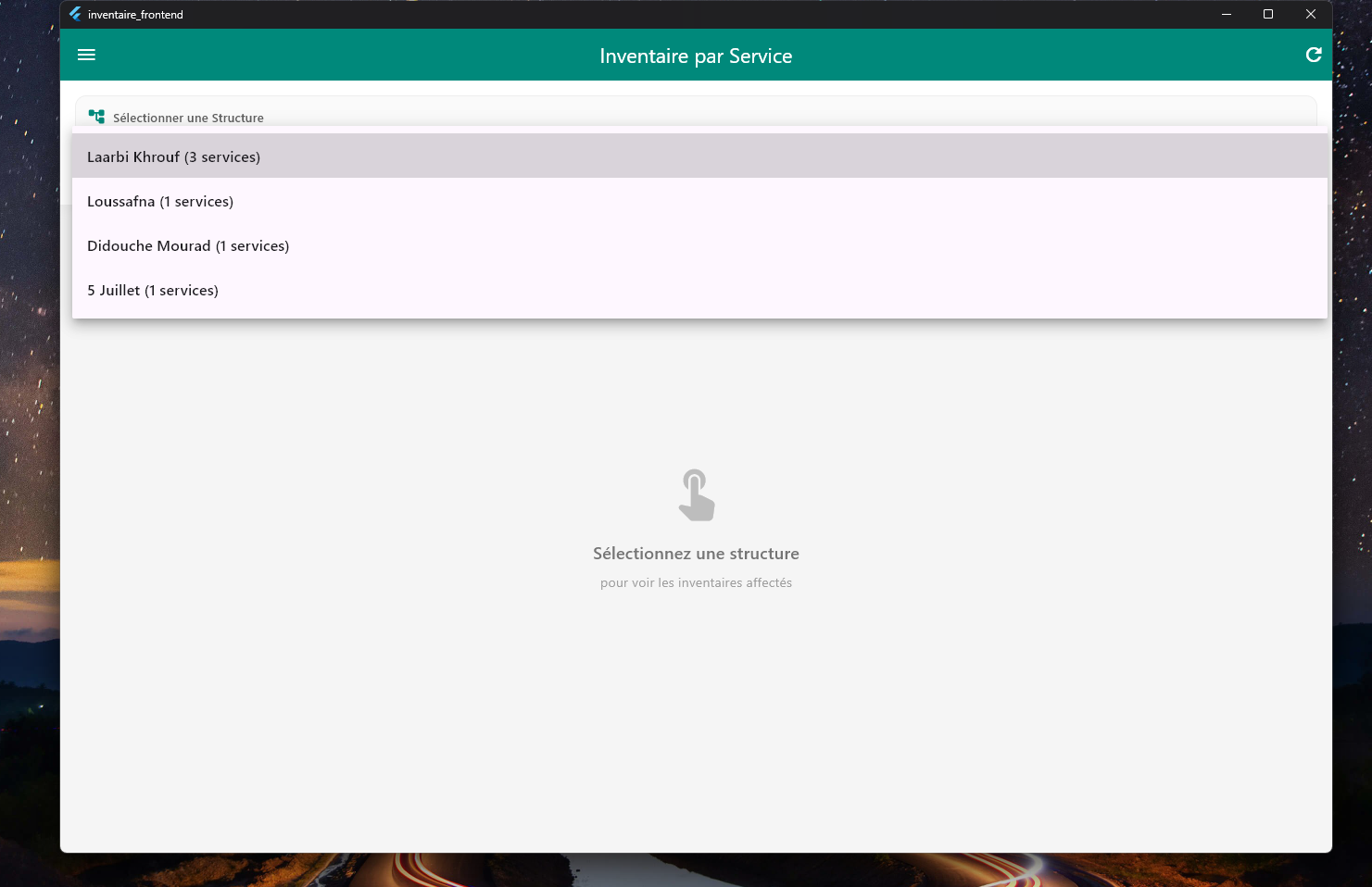
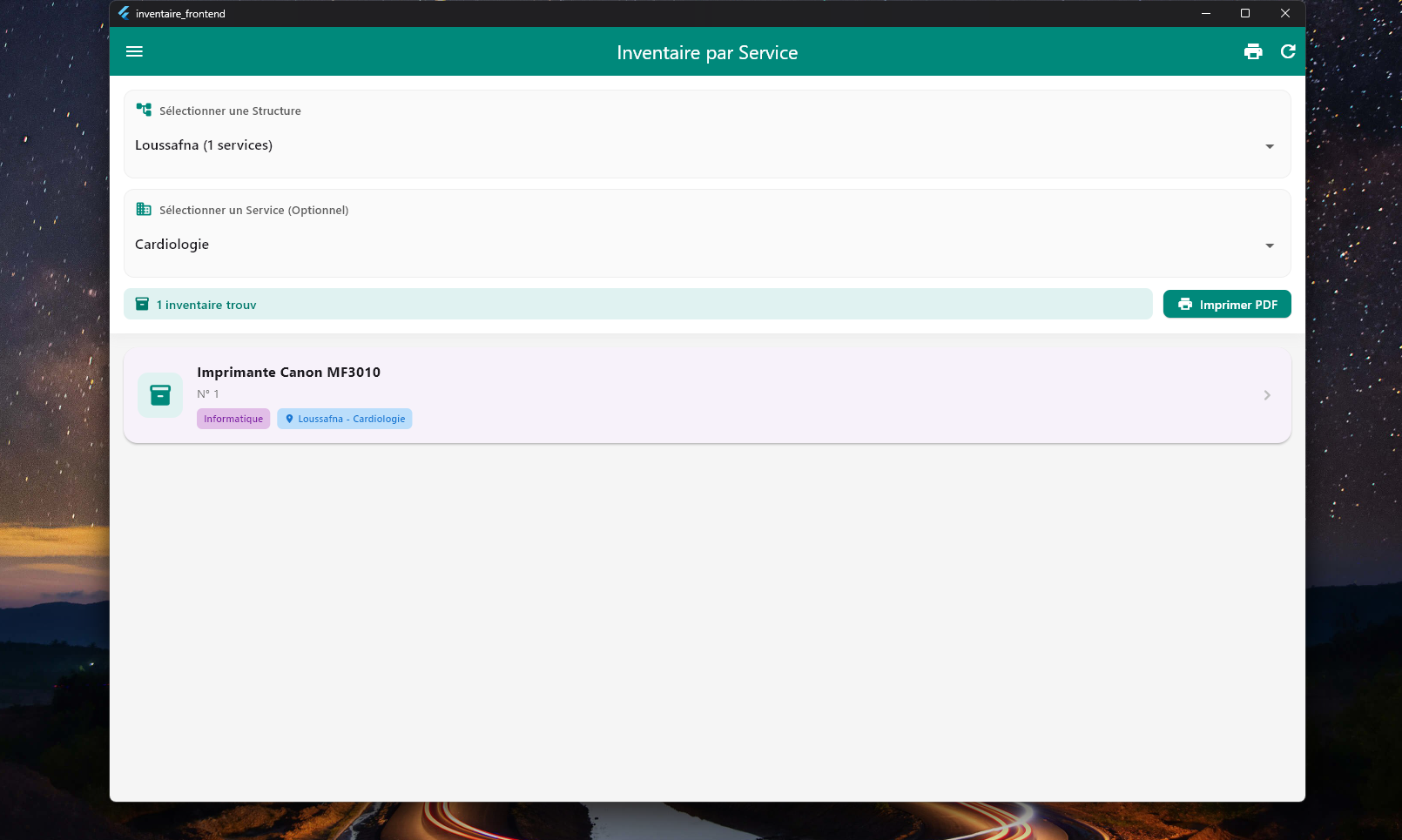
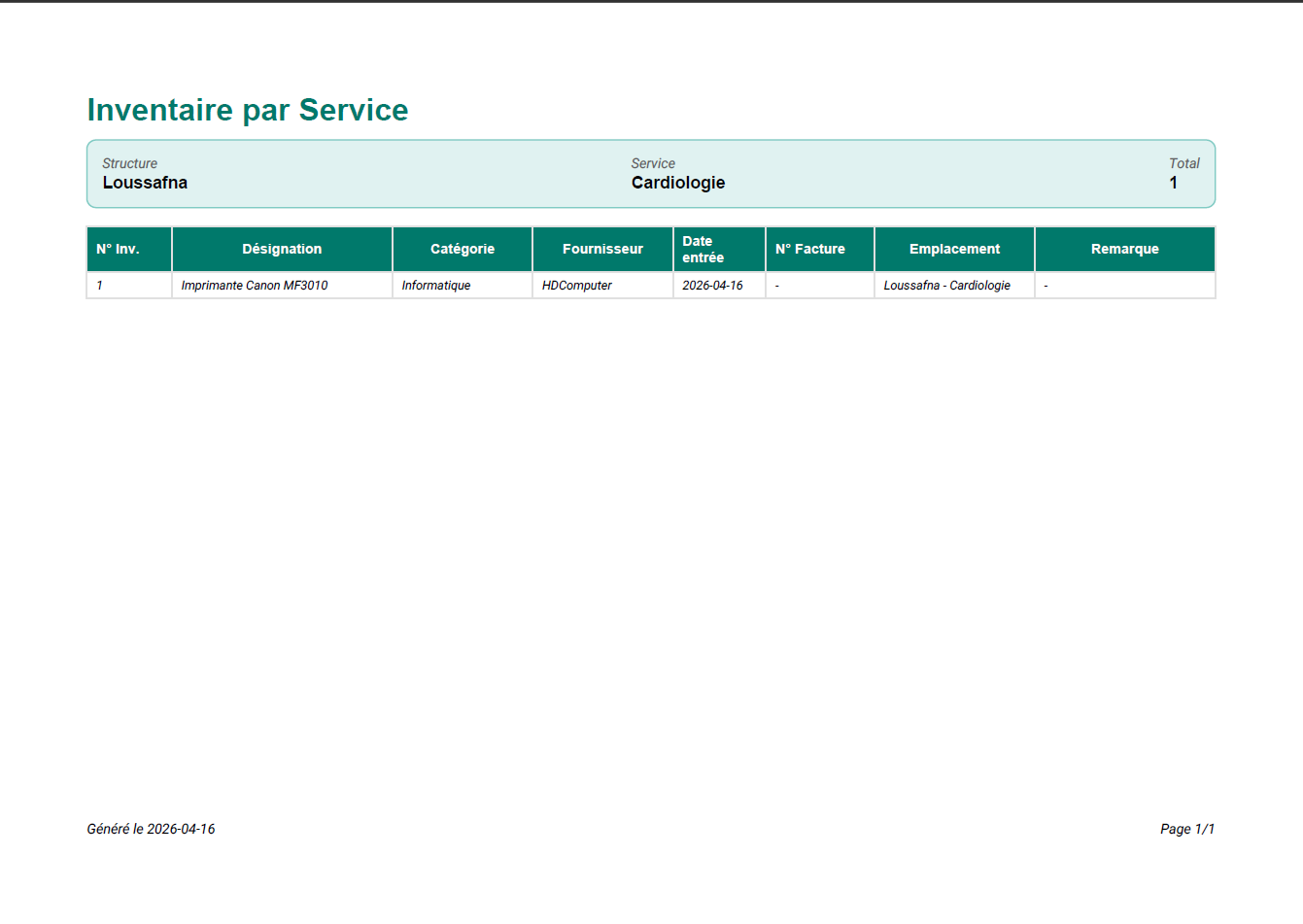
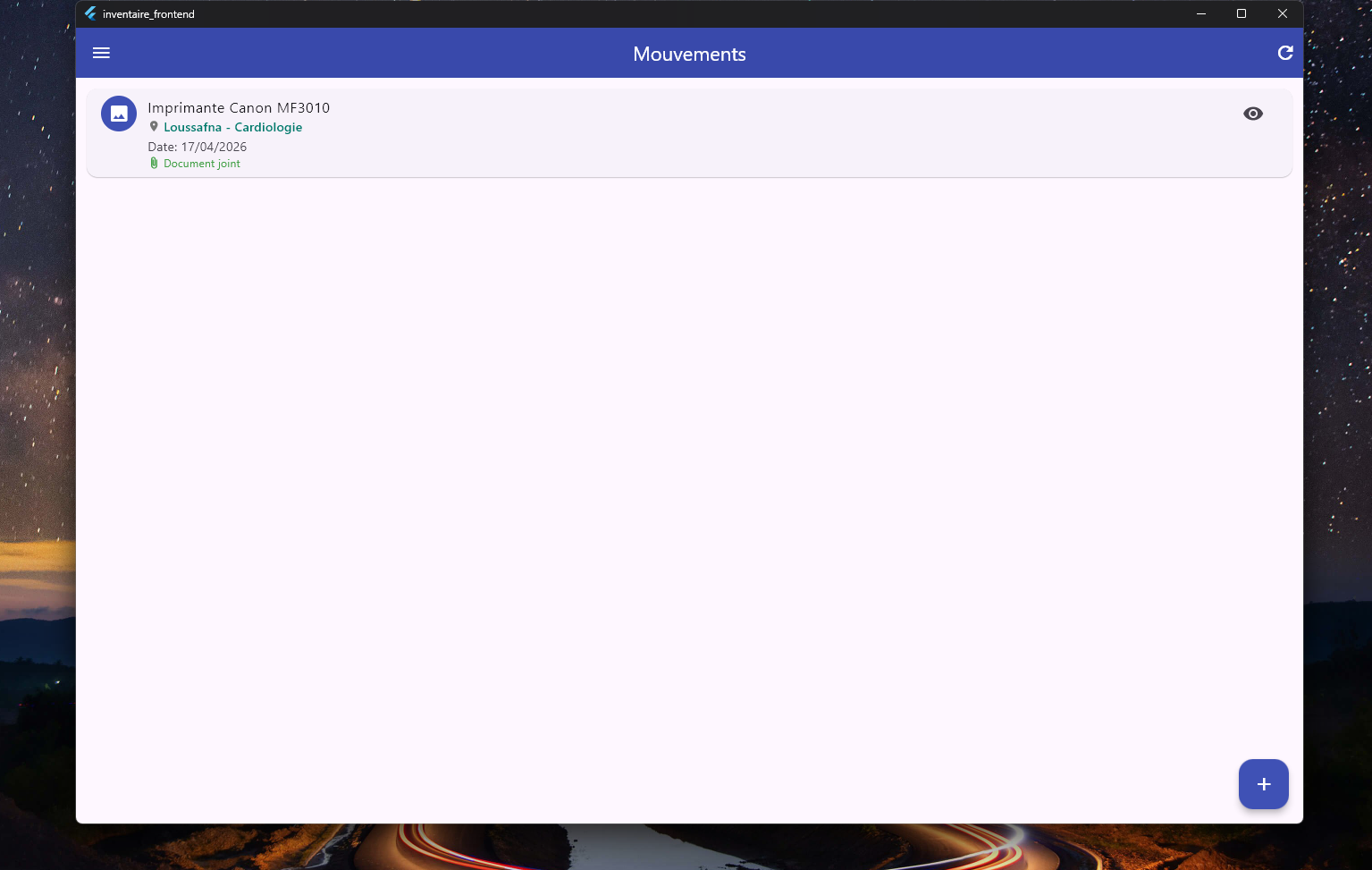
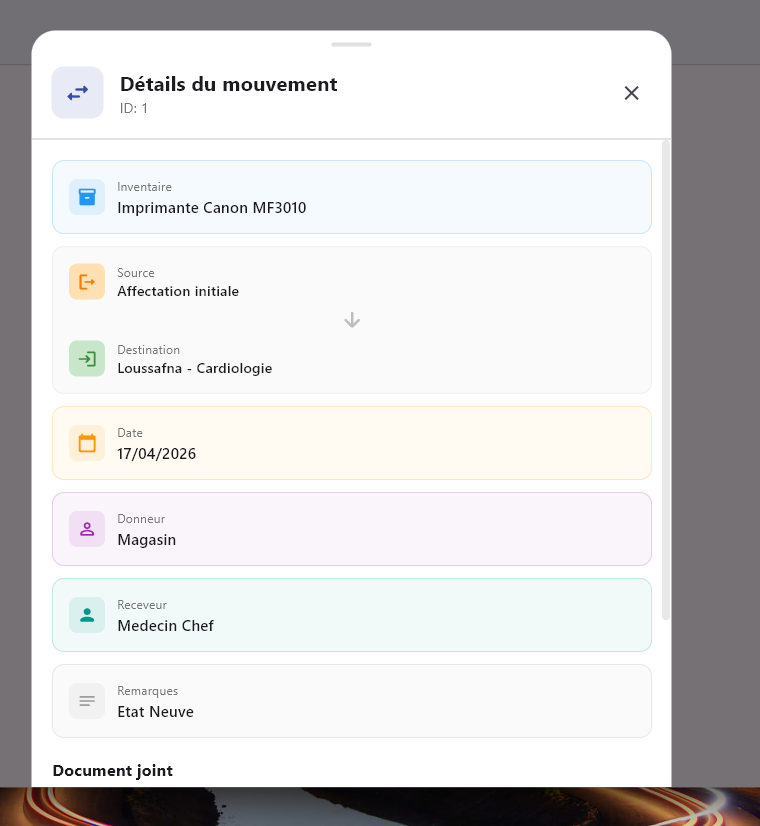
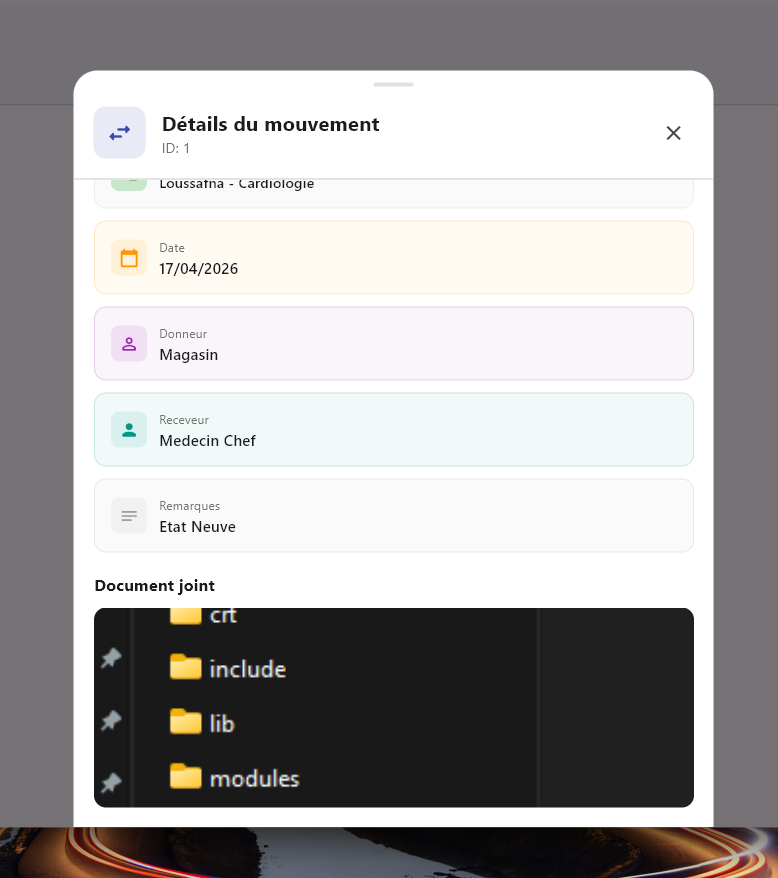
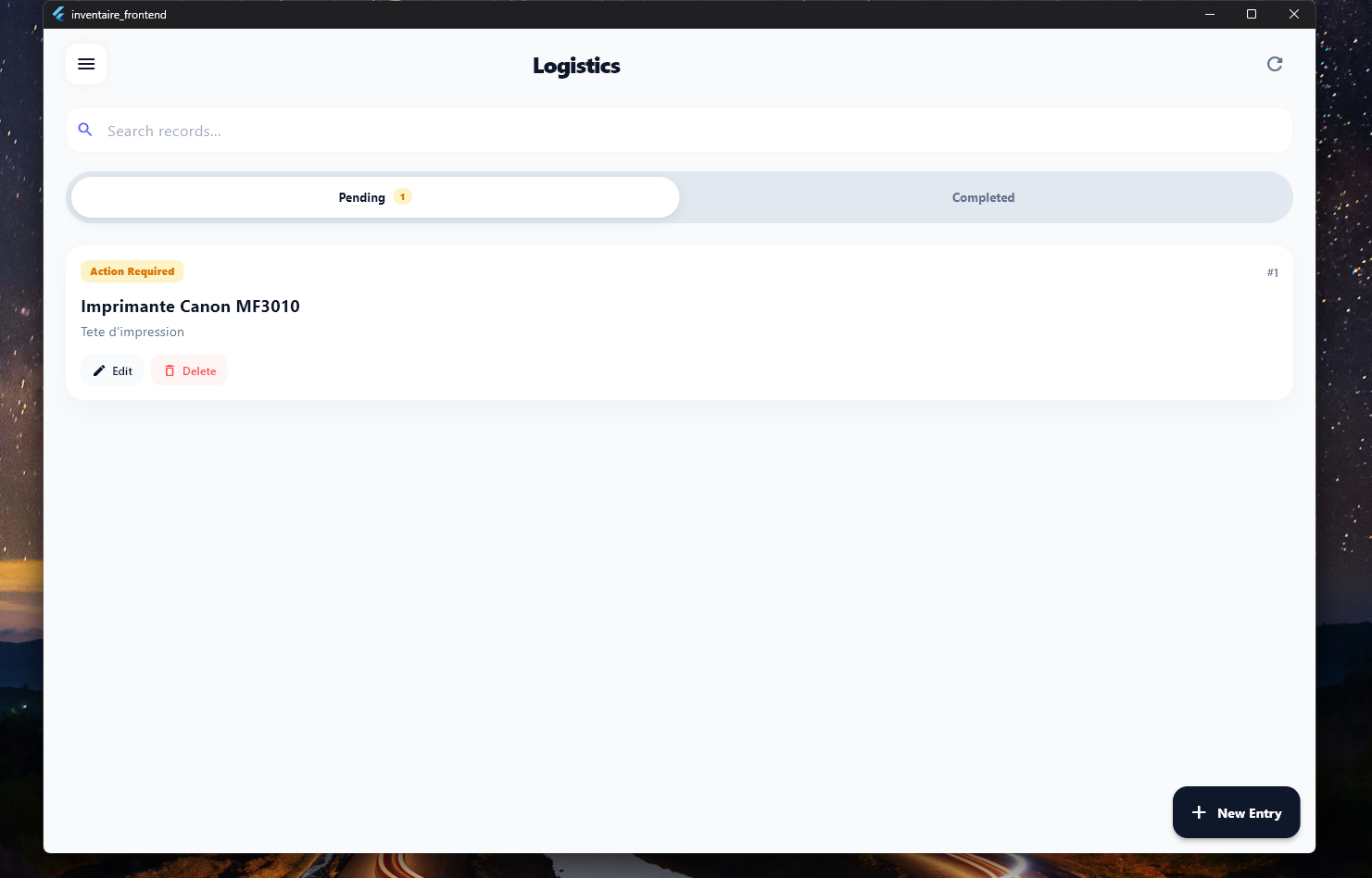
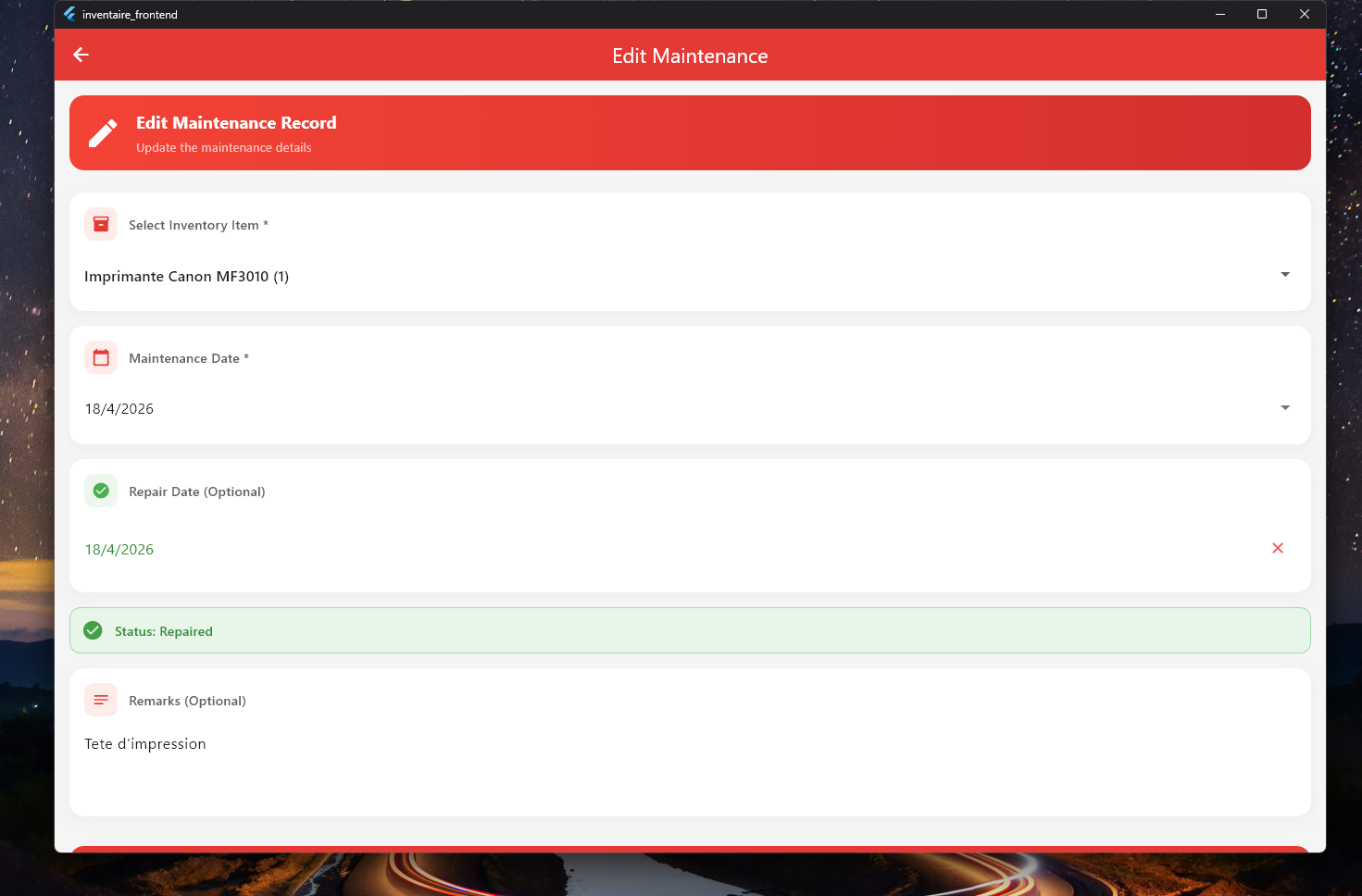
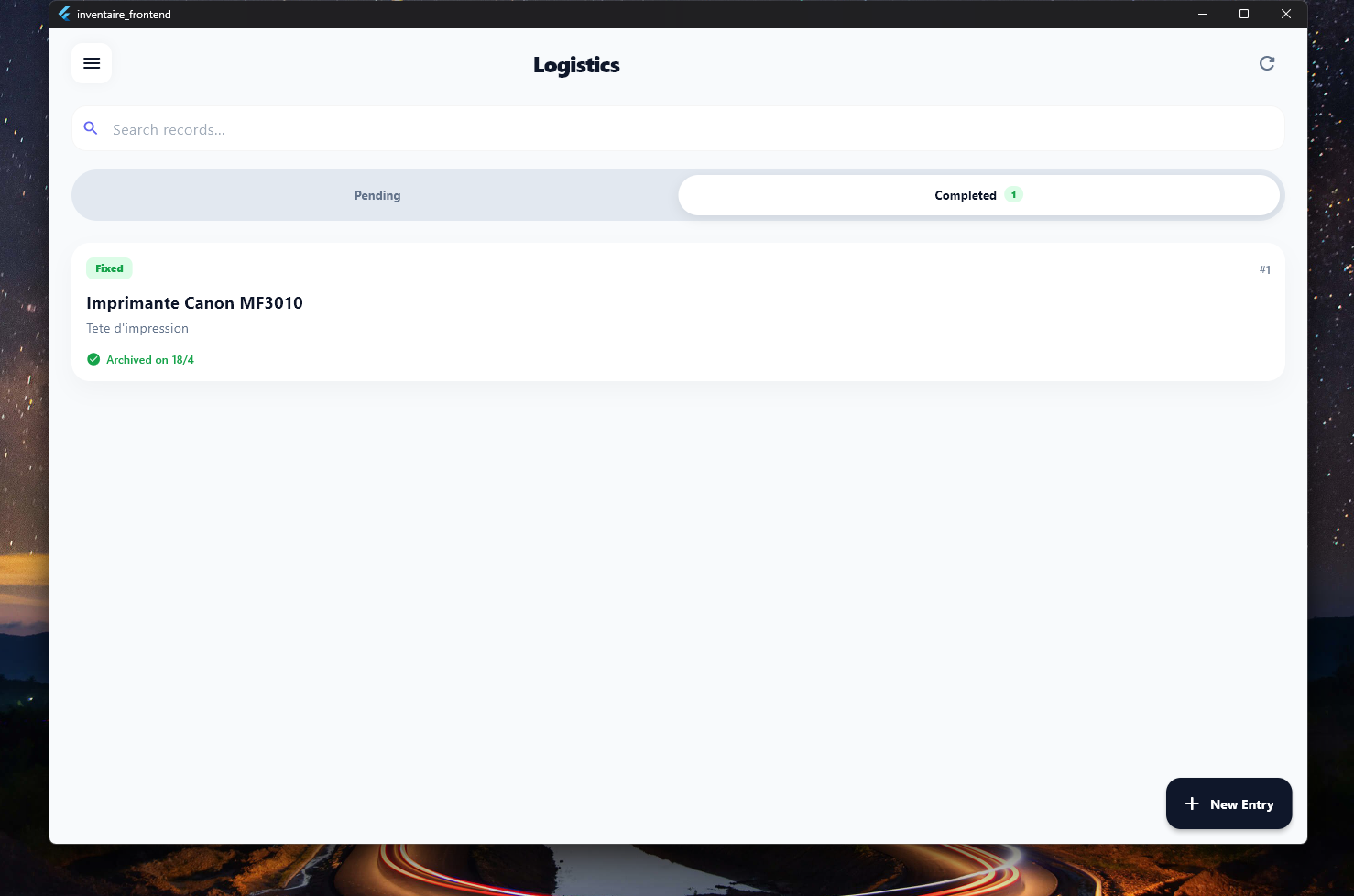
Built specifically for the EPSP Annaba financial department, this desktop application streamlines the tracking of institutional purchases and asset distribution. It provides dedicated, tailored modules for tracking IT equipment, specialized medical devices, and general office supplies (bureautique), ensuring strict financial oversight and accurate asset management across the facility.
Technologies Used
Key Features
- Multi-Category Asset Tracking – Dedicated workflows for IT hardware, medical devices, and office furniture.
- Financial Oversight – Detailed logs of all institutional acquisitions to maintain accurate budgets.
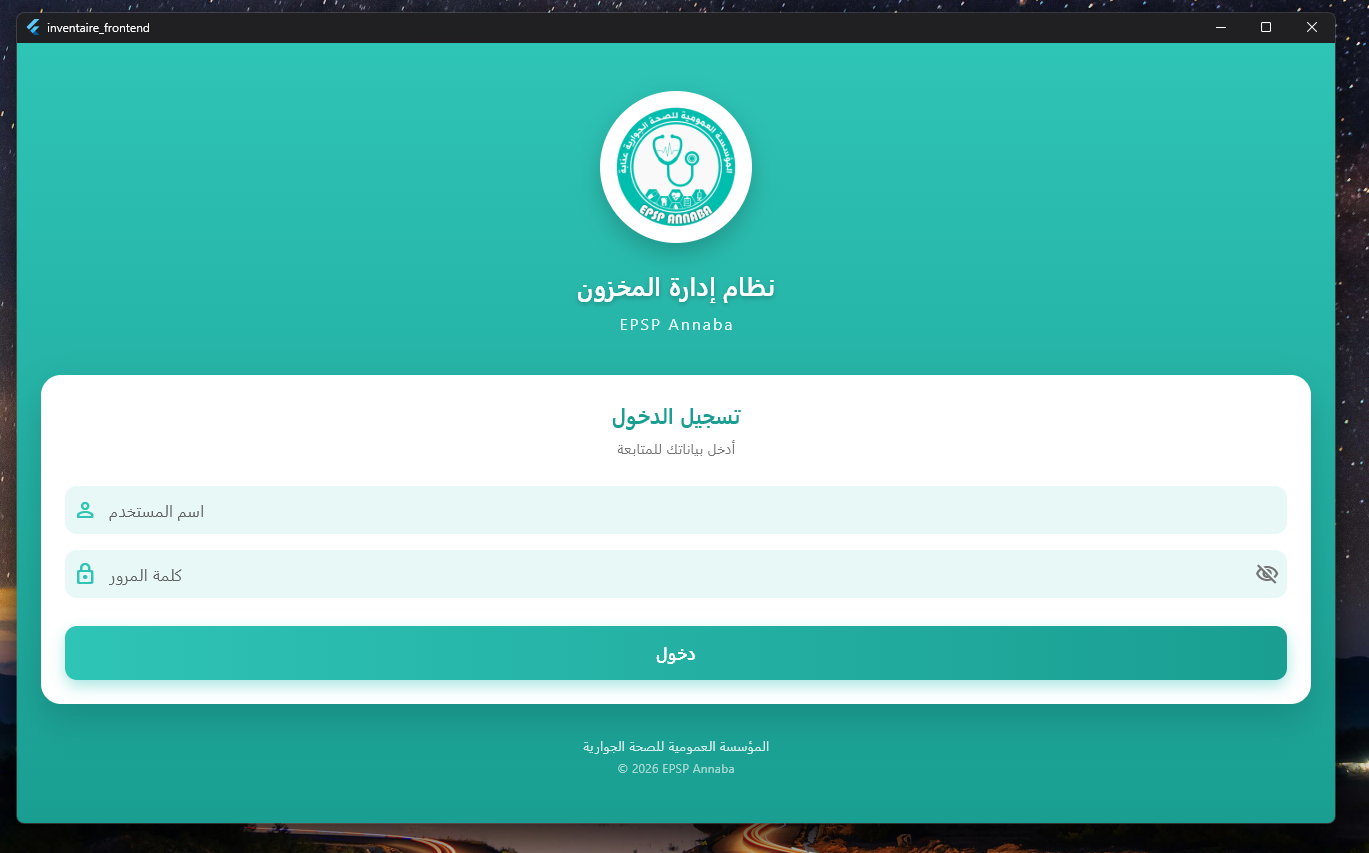
- Secure Authentication – Protected login system ensuring only authorized financial staff can modify inventory records.
- Native Desktop Performance – Compiled as a standalone Windows application using Flutter for seamless office use.
Challenges & Solutions
This started as “just track our equipment” and quickly became a lesson in how messy real institutional data is — an IT laptop, a medical device, and an office desk barely have anything in common, yet all needed to live in one trustworthy system. Designing for that reality was the real work.
Modeling wildly different asset types in one schema
My first instinct was one giant table with a column for every possible attribute, which left medical-device fields blank on furniture rows and turned the data into a mess. I stepped back and redesigned the PostgreSQL schema around what each category actually shares versus what’s unique to it. Common details live together while category-specific fields are modeled cleanly, so adding a new asset type later doesn’t mean rebuilding the whole structure. It was my first taste of how much careful data modeling up front saves you from pain down the line.
Building a financial trail people could rely on
Because the system tracks institutional acquisitions and budgets, a record being silently edited or deleted wasn’t an inconvenience — it was a trust problem. I made sure every change to financial data goes through controlled, validated operations rather than ad-hoc edits. Acquisitions are logged consistently so the numbers stay accountable and the budget figures actually mean something. Thinking like an auditor — “could I prove this number is right?” — reshaped how I handle any data that people make decisions on.
Shipping it as a real Windows desktop app
The finance staff worked on office desktops, not phones, so a mobile app wouldn’t do — they needed something that launched like normal Windows software. Compiling Flutter into a standalone desktop build meant solving things a web app never forces you to: how it’s packaged, how it reaches the back end, and how it behaves as a native window. The outcome was an application they could open and use like any other desktop tool, with no browser or setup friction. It pushed me out of the comfort of web defaults and taught me to build for where the user actually is.